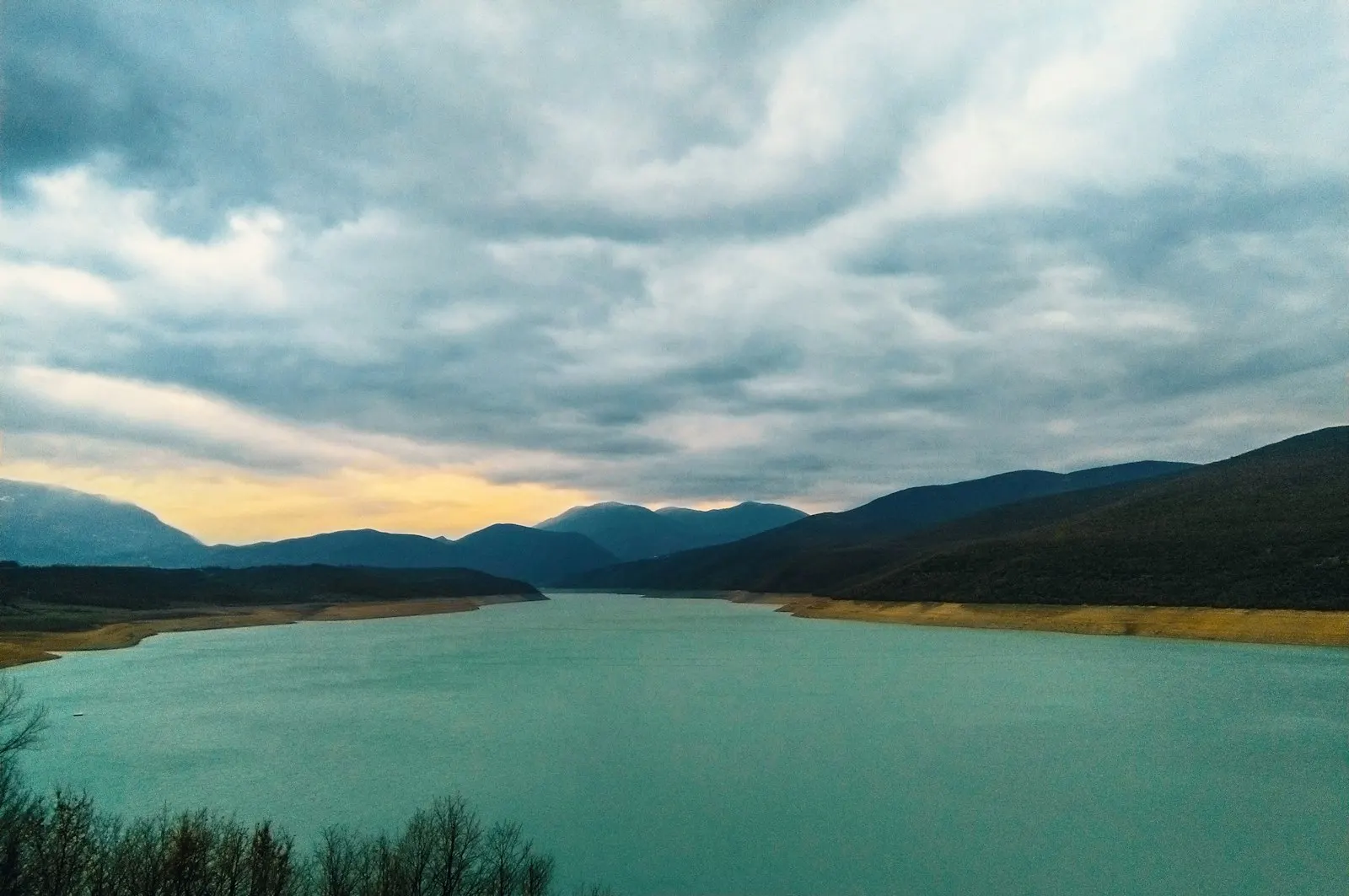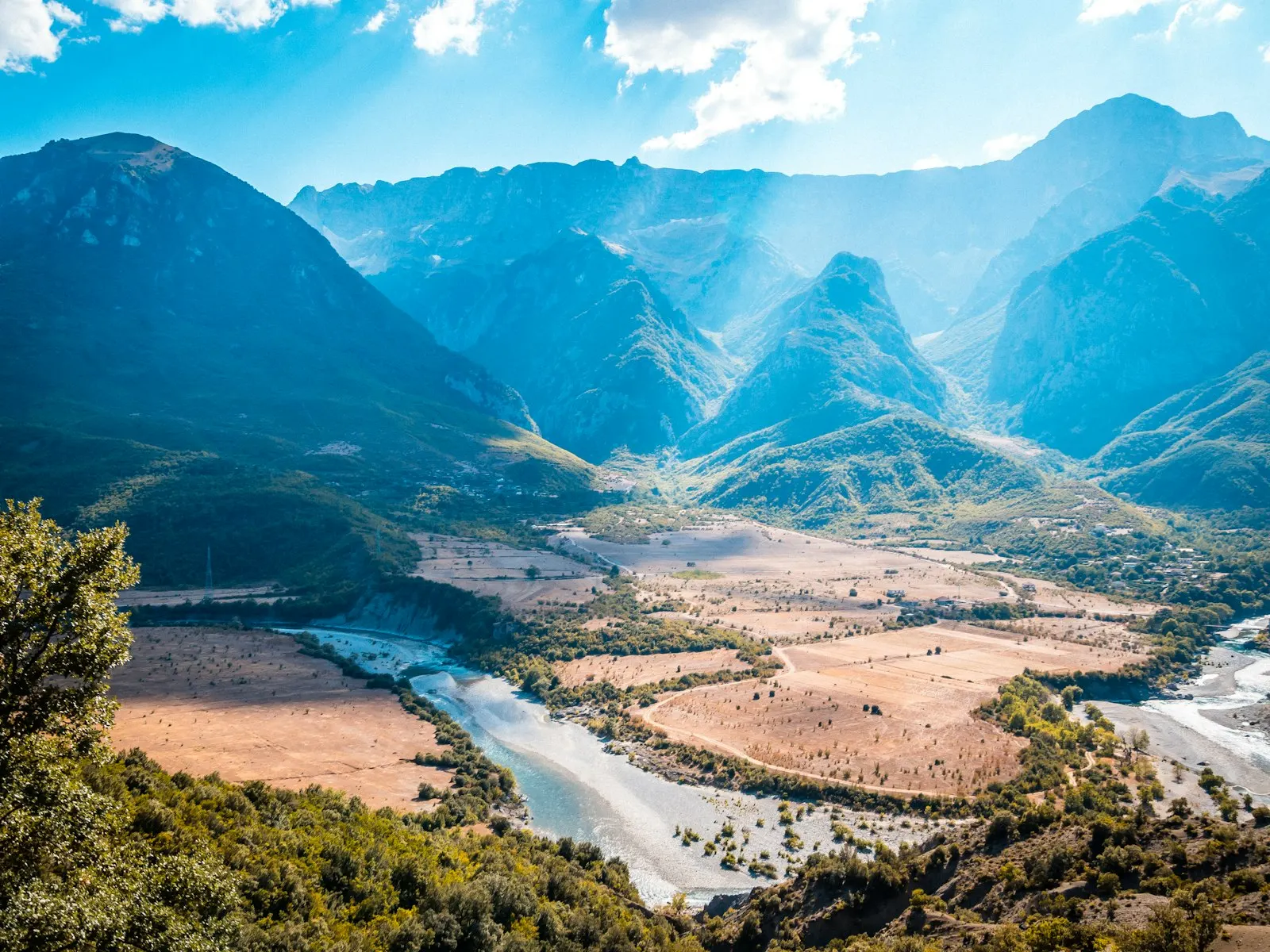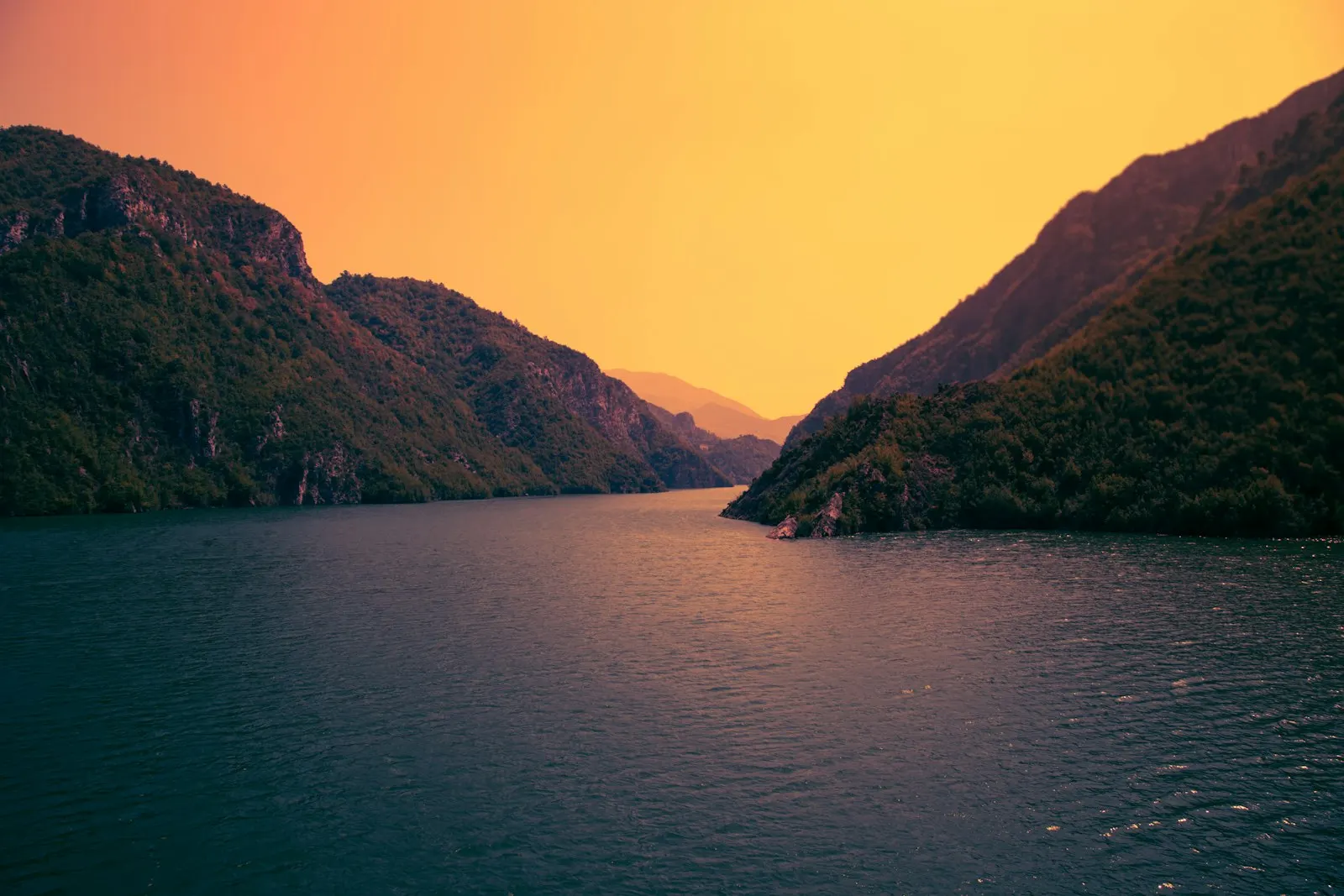
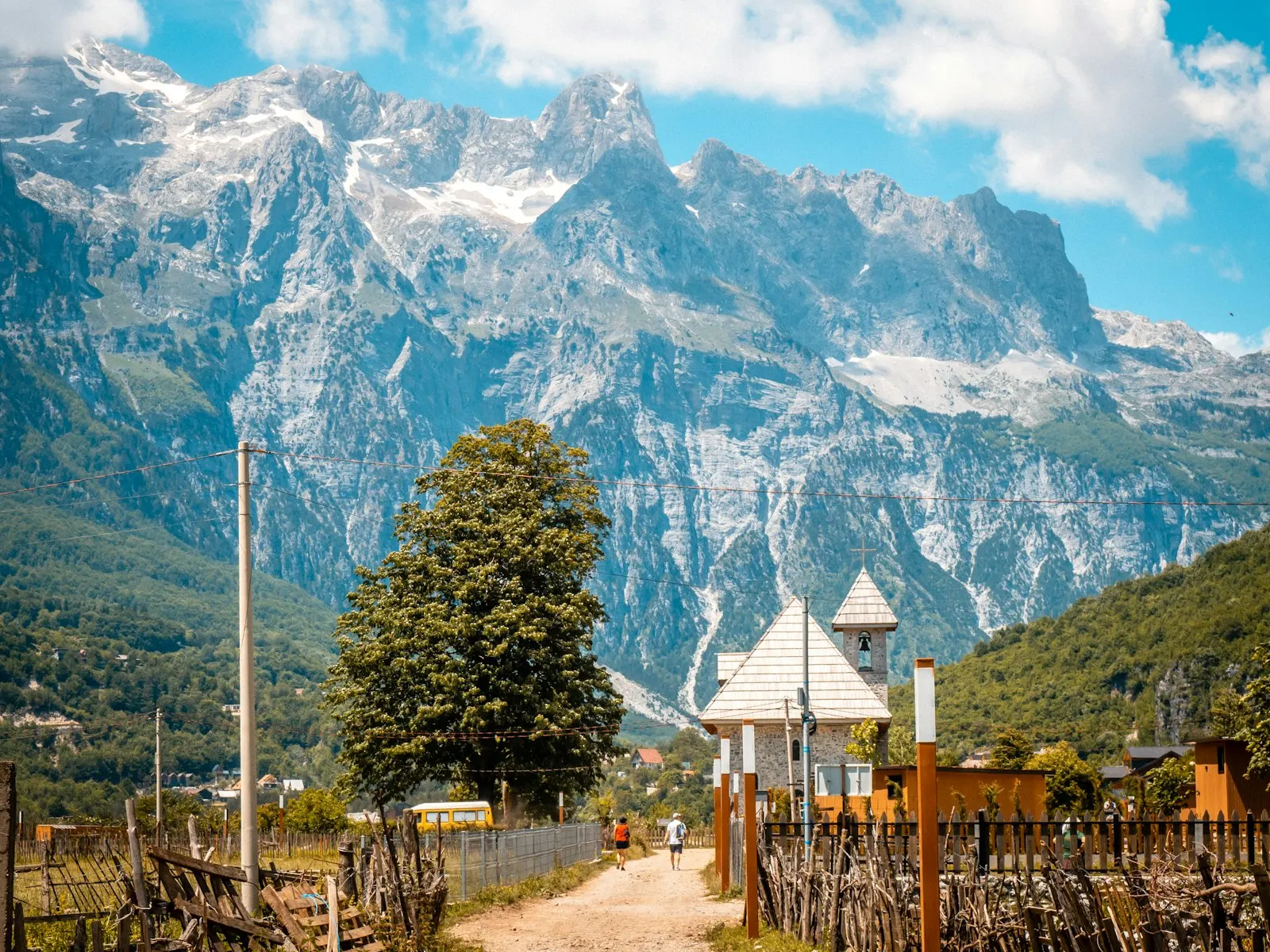
Twenty years ago, driving in Albania really was an adventure: cars dodged donkeys, fuel disappeared during shortages, and the only road sign was sometimes a hand-painted arrow. Today, in 2026, it's mostly a normal European country to drive in — paved highways, well-maintained main roads, EU-style signage. But there are still a few quirks worth knowing. Here are the most useful driving in Albania tips for first-time visitors.
1. Roads are better than their reputation
The main highways (SH4, SH8, SH2) are paved, signed and in good condition. Mountain roads (Theth, the upper Vjosa, parts of Korçë region) are narrower with potholes — drive at half the speed you'd expect at home, especially around blind corners.
2. Other drivers are…assertive
Tirana drivers are fast, lane-changes are casual, and indicating is optional. Outside Tirana it calms down significantly. The two real risks: (a) overtaking on blind corners — happens often, leave space, (b) older cars at night without working tail lights. Drive defensively, not aggressively.
3. Speed limits and police
Standard limits: 40 km/h in towns, 80 km/h on rural roads, 90–110 km/h on highways. Speed cameras and stationary patrols are common, especially on the Tirana–Durrës and Tirana–Vlora highways. Fines are payable on the spot in Albanian lek.
4. Fuel
Petrol stations are common on highways and in towns. Most accept cards but rural ones may be cash-only. Diesel and unleaded 95 are universal. Average prices are roughly in line with Italy or Greece.
5. Tolls
There is exactly one toll road in Albania: the SH1 highway between Milot and Morinë (toward the Kosovo border). Pay in cash or by card.
6. Parking
In Tirana and Durrës, paid street parking zones are marked by blue lines — pay at the meter or via the eZyro / eParking app. Hotels usually offer secure parking. In small towns, free street parking is the norm.
7. Insurance
All Albanian rental cars come with basic third-party insurance. CDW (collision damage waiver) and theft protection are usually optional add-ons. Read the fine print: many policies exclude undercarriage damage — relevant if you're driving the unpaved sections of Theth, Valbona or the upper Vjosa. Ask explicitly.
8. Driving licence
EU, UK and US driving licences are accepted by most rental companies, including those listed on RentalX. An International Driving Permit is recommended but not strictly required for short stays.
9. Crossing borders
Most rental suppliers allow you to cross into Kosovo, Montenegro, North Macedonia and Greece. Confirm in writing before you cross — the border guards may ask to see a "permit" letter from the rental company. Insurance Green Cards are sometimes required.
10. If something goes wrong
Emergency: call 112. Roadside assistance: included with most rentals — keep the supplier number on your phone. Minor accident: take photos, exchange details, file a police report (you'll need it for the insurance claim).
11. Extra: don't drive tired
It sounds obvious, but Albania's mountain roads have sharp drops, no guardrails in places, and they reward you for being alert. Plan stops every 90 minutes. The Vjosa Valley near Përmet is a great rest area — pull off, soak at the Bënja thermal pools, do a half-day rafting trip with Vjosa Rafting, sleep in a guesthouse, drive on rested. See our Vjosa rafting guide for details.
What car should you rent?
For 90% of trips a small economy car (Fiat Punto, Hyundai i20, VW Polo) is plenty. For Theth, Valbona or any unpaved off-the-grid track, an SUV with ground clearance saves stress. Compare cars on RentalX.